Ṣlōṯā

Luminous Mysteries

The Luminous Mysteries journey through Jesus’ public life: the Baptism in the Jordan, the Wedding at Cana, the Proclamation of the Kingdom, the Transfiguration and the Institution of the Eucharist.

Thursdays

They were added by Saint John Paul II in 2002 and are traditionally prayed on Thursdays.

Pray the Luminous Mysteries now

First MysteryThe Baptism of Jesus
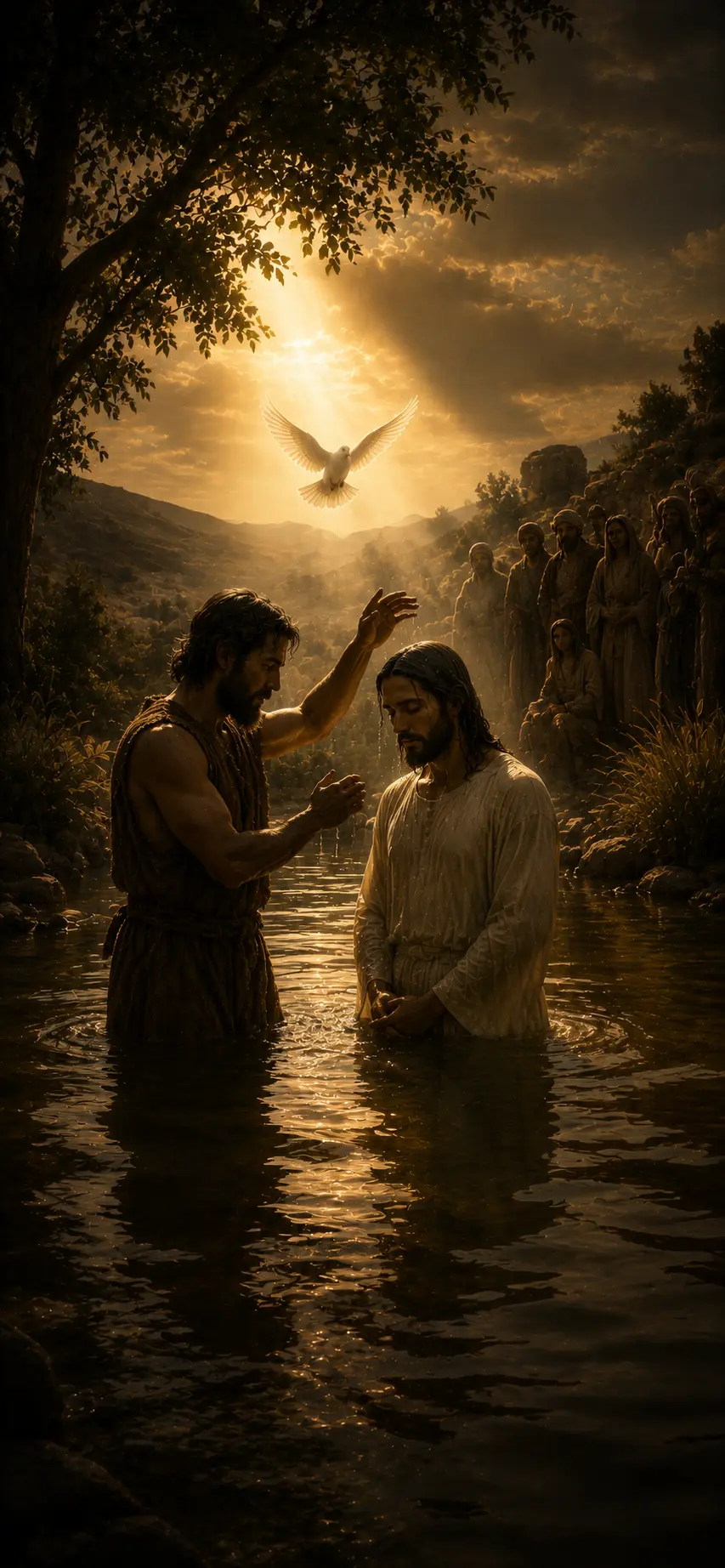
The Baptism of Jesus

Scripture

Mark 1:10–11

“As He came up out of the water, He saw the heavens being torn open and the Spirit descending upon Him like a dove.

And a voice came from heaven: ‘You are my beloved Son; with You I am well pleased.’”

Meditation

Before Jesus begins to preach, before the miracles, before He does anything, the Father tells Him: “You are my beloved Son.”

We too can spend our lives trying to prove our worth: through what we do, what we have, or the recognition of others.

But Baptism reminds us of something far greater: before all else, we are beloved children of God.

And when we discover that we are loved in this way, we also learn to see others differently: as brothers and sisters.

Father, help me to live as Your child and to recognize in every person a brother or sister whom You also love.
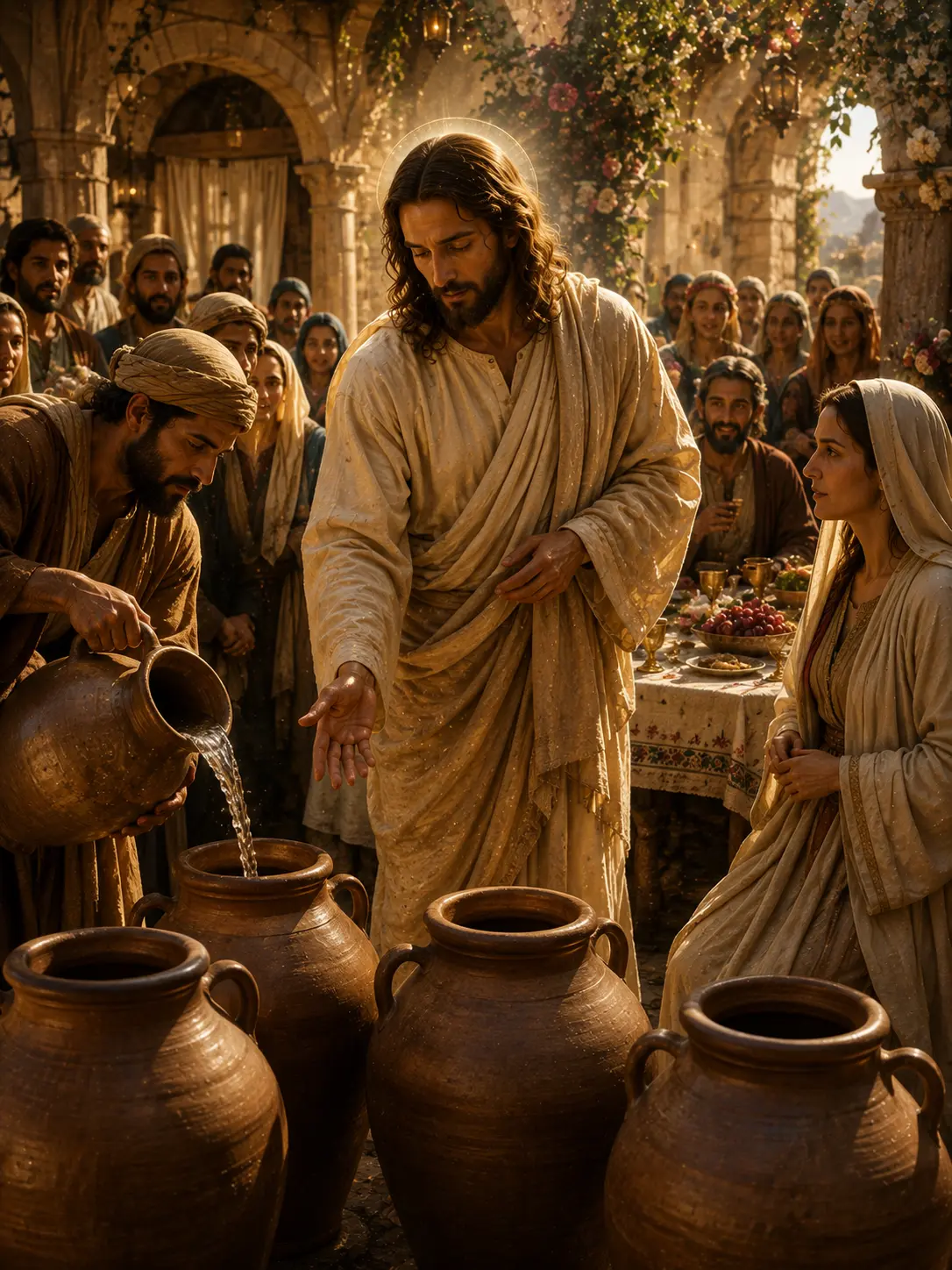
Second MysteryThe Wedding at Cana

The Wedding at Cana

Scripture

John 2:3–5

“When the wine ran short, the mother of Jesus said to Him: ‘They have no wine.’

Jesus said to her: ‘Woman, what is this to me and to you? My hour has not yet come.’

His mother said to the servants: ‘Do whatever He tells you.’”

Meditation

Mary noticed what was missing before anyone asked her for help.

Around us too, there are needs that almost no one sees: someone who feels alone, a family in difficulty, someone who has stopped coming, a heart suffering in silence.

Mary teaches us to be attentive. But she does not simply worry: she brings the need to Jesus and trusts in Him.

Perhaps this is also our mission: to notice, to draw near, and to bring to Christ those who are in need.

Mary, teach me to see those who need me and to entrust to Jesus what I cannot solve on my own.

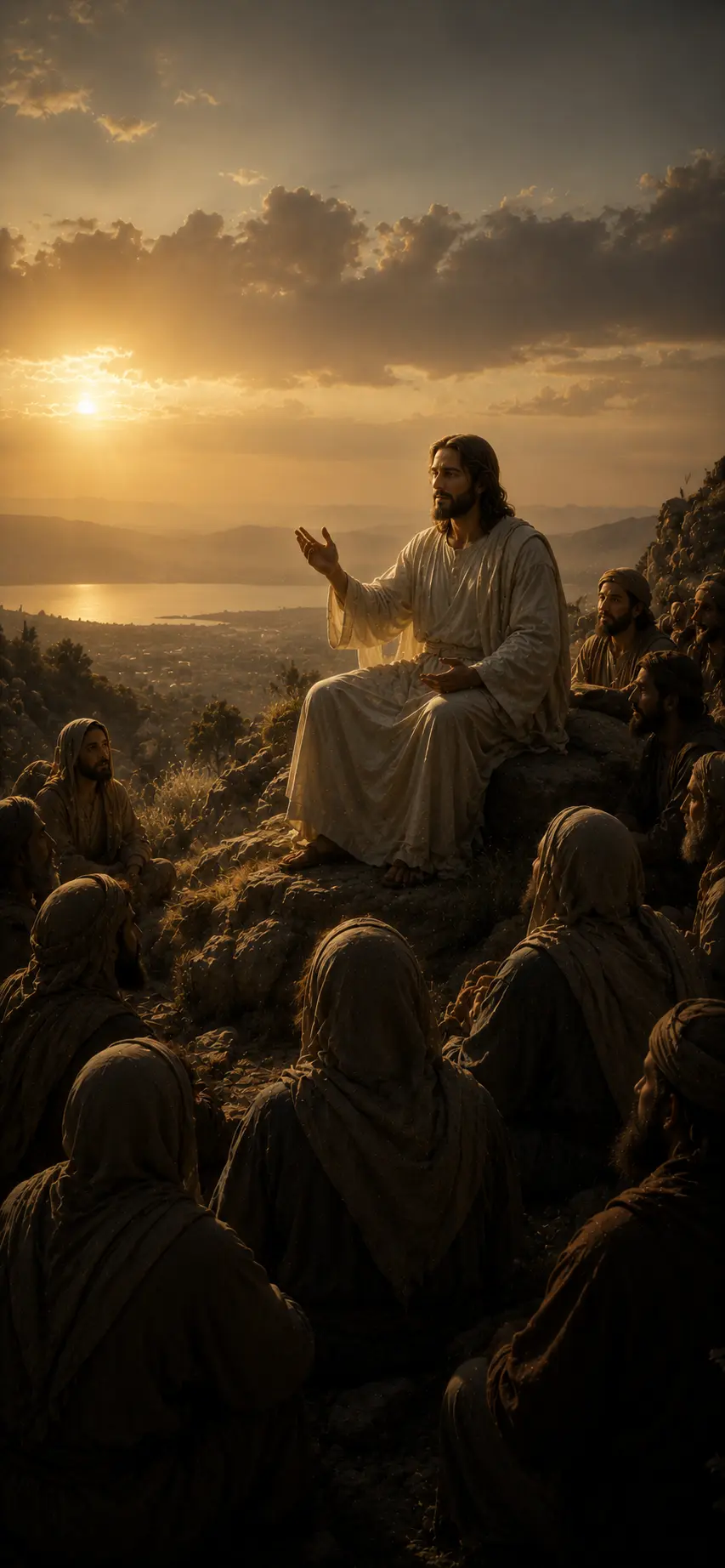
Third MysteryThe Proclamation of the Kingdom of God

The Proclamation of the Kingdom of God

Scripture

Luke 4:18

“The Spirit of the Lord is upon me, because He has anointed me to bring good news to the poor. He has sent me to proclaim liberty to captives and recovery of sight to the blind, to set the oppressed free.”

Meditation

Jesus shows us what the Kingdom of God is like: it begins when someone brings hope to those who have lost it.

There are people close to us carrying burdens we cannot see: loneliness, fear, poverty, illness, abandonment.

To follow Christ is not to remain indifferent.

Our faith becomes alive when we step outside ourselves, when we welcome, visit and serve, when we help someone feel that they still matter.

This is also why Jesus gathers us into community: so that no one has to walk alone.

Lord, make me a sign of Your love to those who need it most.

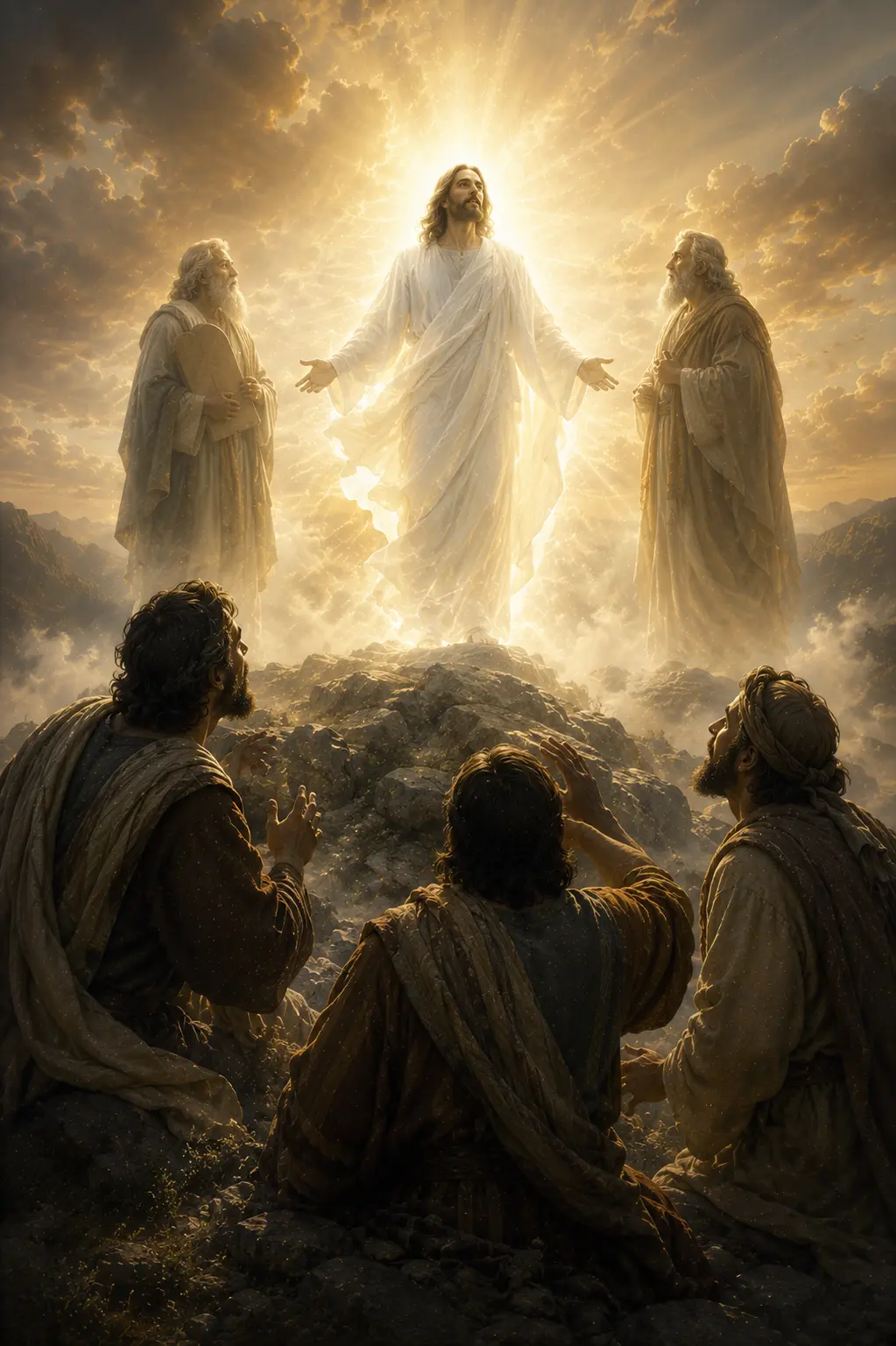
Fourth MysteryThe Transfiguration of Jesus

The Transfiguration of Jesus

Scripture

Matthew 17:1–2

“Jesus took Peter, James, and his brother John, and led them up a high mountain by themselves.

And He was transfigured before them; His face shone like the sun, and His clothes became white as light.”

Meditation

Jesus took the disciples with Him up the mountain. Before returning to the road, He gave them a moment simply to be with Him.

We too need to stop.

In the midst of work, worries, and everything that fills our lives, we can be close to God and yet forget to contemplate Him.

Prayer, Mass, a moment of silence before the tabernacle are not wasted time. They are places where Christ transforms us, so that we can return to life changed.

Lord, teach me to stop in Your presence, so that being with You may transform the way I live and love.

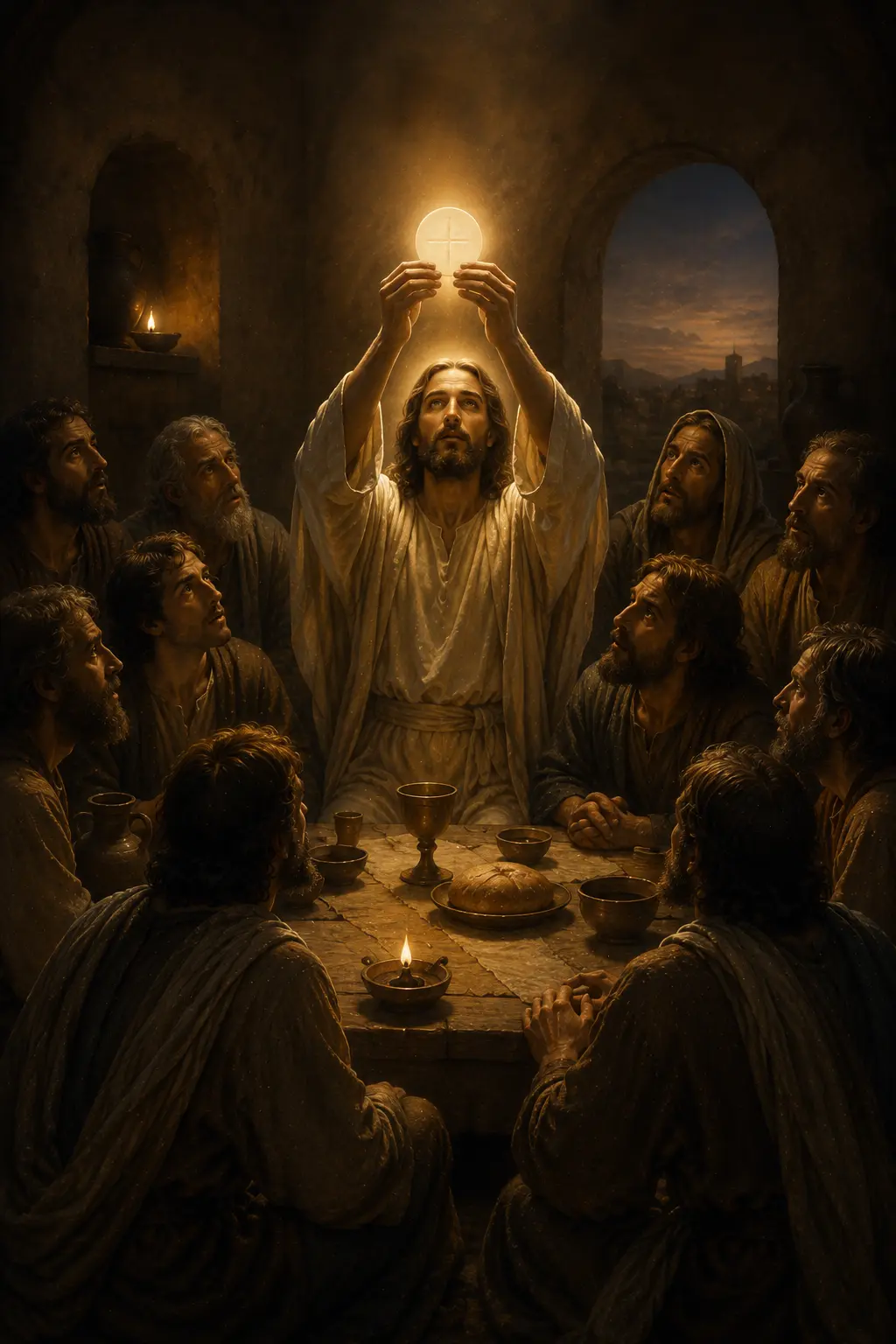
Fifth MysteryThe Institution of the Eucharist

The Institution of the Eucharist

Scripture

1 Corinthians 11:23–24

“The Lord Jesus, on the night He was handed over, took bread, and, after giving thanks, broke it and said:

‘This is my body, which is for you; do this in memory of me.’”

Meditation

Jesus could have left us only words. He left us Himself.

In the Eucharist, Christ continues to give Himself for us and to wait for us.

But receiving Jesus also means allowing Him to transform the way we live.

We cannot receive Communion and remain indifferent to those who are alone, suffering, or in need of us.

The Eucharist gathers us around the same table and teaches us to become bread broken for others: a community where every person finds a place, care, and love.

Jesus, each time I receive You, draw me closer to You and teach me to give more of myself to others.